Prosperity
Inclusive momentum across the region
Northeast Ohio expands economic access and works to raise the standard of living for all
More than 9,400 net new business establishments in 7 years. Over 94% of residents with healthcare coverage. A poverty rate that’s starting to decline, following a 5-year upward trend. Home values up nearly 48% over 7 years creating equity for homeowners and challenges for first-time buyers.

What this tells you
The data, shaped around your work.
Household Income
Earning More Per Household
Median household income has grown 31% since 2018.
New Business Settings
9,400 New Net Business Locations
More than 9,000 new net business locations since 2018 note deep regional stability.
Payrolled Business Locations
#1 in Nearby Markets
Northeast Ohio outpaces all nearby markets (Columbus, Cincinnati, Pittsburgh, and Indianapolis) in payrolled business locations.
New Businesses
Steady New Business Growth
Northeast Ohio added over 1,000 new businesses in 2024. The number of payrolled businesses in NEO has grown 10% across our 14-county region since 2018.
Household Income
Earning More Per Household
Median household income has grown 31% since 2018.
Housing Value
Demand Rising; Still Comparatively Affordable
Median home values grew nearly 48% from 2018-2024. Northeast Ohio remains one of the nation’s most affordable markets—but we must work to maintain this.
Poverty Rate
8% Decrease in Poverty Rate
From 2022 to 2024, the poverty rate in Northeast Ohio decreased by 8%, reversing a five-year growth trend.
Housing Value
Demand Rising; Still Comparatively Affordable
Median home values grew nearly 48% from 2018-2024. Northeast Ohio remains one of the nation’s most affordable markets.
Median Home Value
Competitive Housing Affordability
At $214,121 in 2024, Northeast Ohio’s median home value delivers unmatched housing affordability at 36% lower than the U.S. median ($332,700).
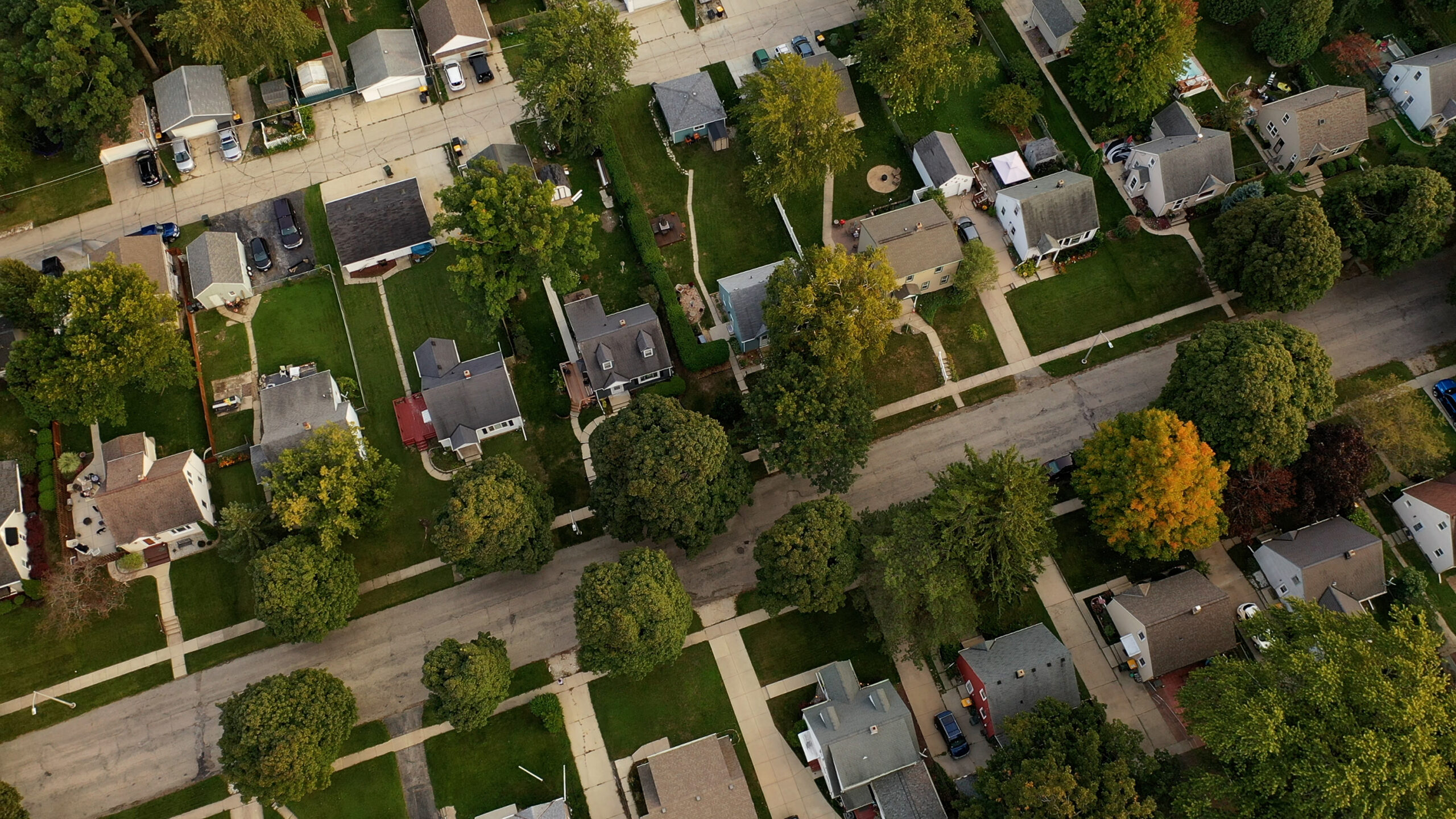
Ohio ranks No. 9 for Cost of Living, with housing costs among the most affordable in the country.

[In 2025] We closed a job creation win in all of Northeast Ohio’s 14 counties. We led the state with 92 project wins and also achieved the milestone of having a win in each county.

We’re helping the region figure out how to raise people out of poverty, and into manufacturing jobs, ultimately creating a positive impact on the community.
Metric 01
Payrolled business locations
Year-over-year changes in physical business locations.

Six Years. 9,400 net new establishments. Big opportunities for small- and medium-sized businesses.
Small and medium-sized enterprises are Northeast Ohio’s economic engine. Between 2018 and 2024, the region expanded its commercial footprint by 9,400 net payrolled locations, including a record-breaking 2022, with 2,748 new business formations. Furthermore, the 1,000 new establishments added in 2024 are 8 times higher than the establishments brought to Northeast Ohio in 2018.
For businesses, this rapid acceleration translates into opportunity. Expanding access to capital and surging entrepreneurial confidence are driving unprecedented enterprise growth across Cleveland, Akron, Canton, and the surrounding areas. With an active base of 103,000 business establishments, Northeast Ohio provides a dependable foundation for sustained capital investment, sector expansion, and long-term prosperity.
Expanding Business Base, Surging Formation Rate
Total payrolled business locations show a continuous multi-year rise, while new establishment additions on the right reflect an unprecedented surge in 2022 business creation.
Northeast Ohio · 2018–2024 (chart)
Metric 02
Median home value
Median home value changes over time.

An enduring cost advantage. Expanding equity growth.
Demand for housing across Northeast Ohio remains strong. Between 2018 and 2024, the region’s median household income grew from $57k to $75K. Despite consistent increases, Northeast Ohio remains an extremely affordable region, with median home values 36% lower than the U.S. median of ($332,700).
For homeowners, gains in median home value translate into tangible equity building. For instance, the median home across Northeast Ohio costs less than three times the region’s median household income (2.87% price-to-income ratio), signaling strong housing affordability.
For the region, preserving comparative affordability while expanding homeownership access is key to long-term prosperity. Through targeted economic strategies and regional partnerships, Northeast Ohio is positioning this housing momentum to build local wealth and support a thriving workforce.
Less than 3.0 price-to-income ratio
Northeast Ohio maintains a healthy price-to-income ratio of 2.87, meaning a home in Northeast Ohio costs 2.87 years of household income.
Northeast Ohio · Median Home Value · 2018–2024 (chart)
Metric 03
Poverty rate
Census Bureau income thresholds determining poverty status.

Expanding Opportunities. Sharing Momentum.
Northeast Ohio’s long-term economic strength depends on more residents benefiting from the region’s growth. Between 2022 and 2024, the poverty rate declined from 14.1% to 12.9%, which is an encouraging sign of progress for the region. Sustaining that progress means connecting more residents to jobs and opportunities that provide family-sustaining incomes and pathways to greater economic security.
Inclusive growth strengthens the entire regional economy by expanding the workforce and increasing household purchasing power. Across Northeast Ohio, efforts to strengthen job training, improve access to capital and invest in neighborhoods can help ensure that the region’s economic momentum creates opportunity for more people and communities.
Annual Increases Highlight Access Gap
In the past two years, Northeast Ohio’s poverty rate decreased, finally trending in the same direction as the other prosperity indicators.
Northeast Ohio · Poverty Rate · 2018–2024 (chart)
Metric 04
Insurance access
Share of a region's population covered by any form of health insurance.

consistent healthcare access. lasting security
Access to health insurance is an investment in human capital. Health coverage safeguards family wellbeing while strengthening regional workforce participation and economic stability. The uninsured population decreased from 6.2% in 2018 to 5.9% in 2024 and between 2019 and 2024, Northeast Ohio maintained an overall coverage rate above 94%.
Secured by expanded healthcare networks across Cleveland, Akron, and Canton, healthcare insurance coverage levels remained continuously strong throughout the measured time period. For expanding businesses evaluating workforce health and families choosing where to build their futures, a dependable, high-coverage healthcare ecosystem emphasizes the region's long-term competitive appeal.
Steady Healthcare Access
Maintaining consistently low uninsured rates, Northeast Ohio’s health coverage rates build a stronger foundation for workforce stability.
Northeast Ohio · 2018–2024 (chart)
Metric 05
The wage a family needs
The hourly wage a working family needs to cover a basic budget (MIT Living Wage methodology), which is the bar a family-sustaining job is measured against.
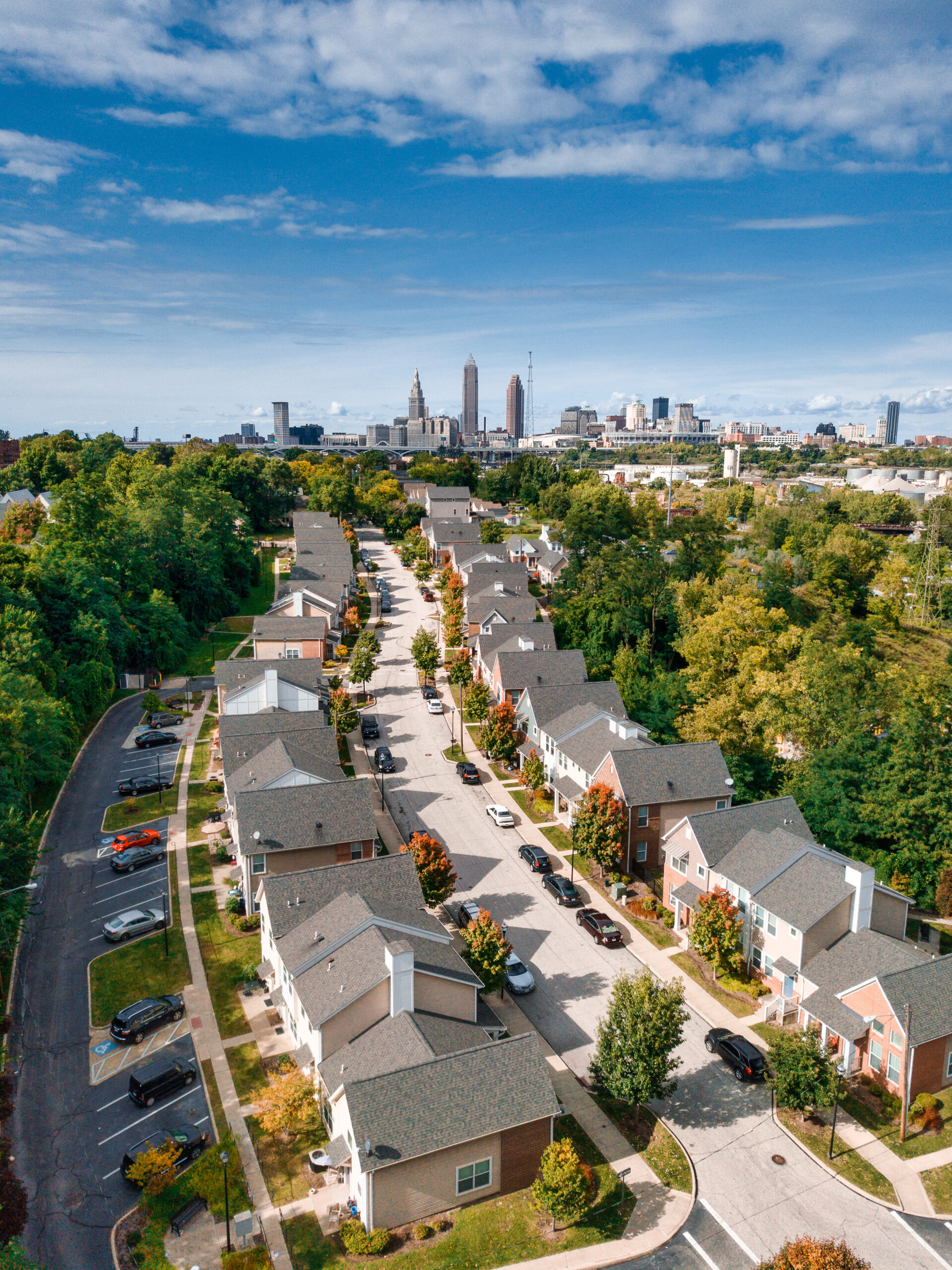
Northeast Ohio More Affordable Than Peer Regions
The wage needed to support a family in Northeast Ohio rose 11% from 2022 to 2025, reaching $38 per hour. While this reflects the rising cost of housing and everyday needs, Northeast Ohio remains comparatively affordable compared to all 12 peer metro areas.
That affordability is a regional advantage. Families in Cleveland, Akron, Canton, and all of Northeast Ohio can make their incomes go further, while employers enjoy lower-than-average talent costs, a competitive cost of living, and excellent quality of life that help attract and retain talent. Together, these strengths reinforce Northeast Ohio as an affordable place to live, work, and grow.
Northeast Ohio’s affordability advantage, compared to other metros
Northeast Ohio regularly maintains the lowest required wage baseline and offers strong purchasing power for local talent.
Request the data
Need the full dataset for Prosperity?
Team NEO shares the underlying indicators with partners, planners, and decision makers who want to dig deeper.
Request received.
Thank you — your request is with Team NEO's research team. We'll be in touch within two business days.